Source parking lot toy for Track Sets, Alloy Cars, and DIY Play
Explore 30 options for the parking lot toy, including track sets and alloy car equipment. Compare specifications from Guangdong suppliers to find suitable educational and play solutions for various age groups; compare the available evidence and request quotations based on your requirements.
Key considerations
Products List
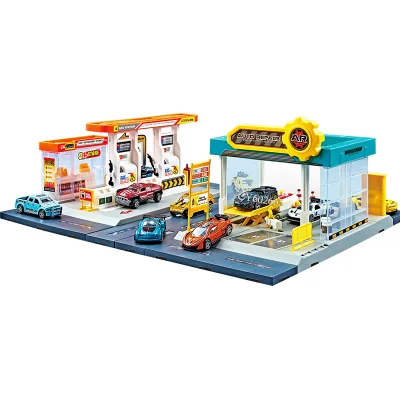
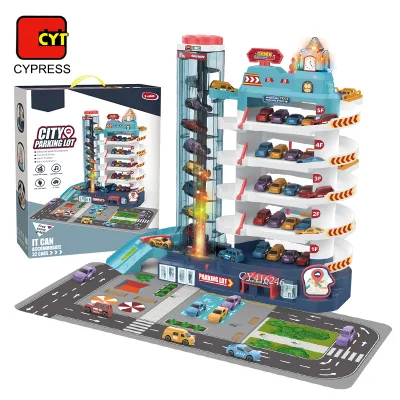
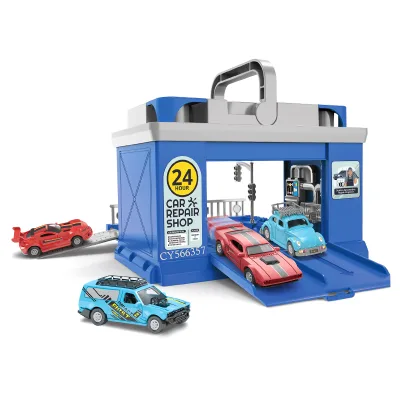
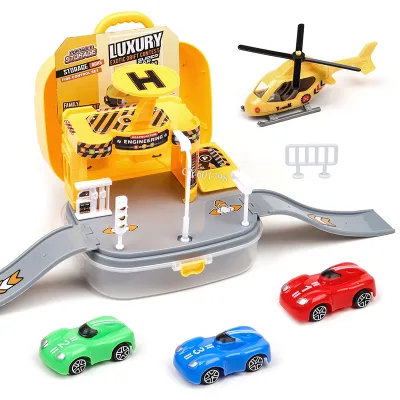
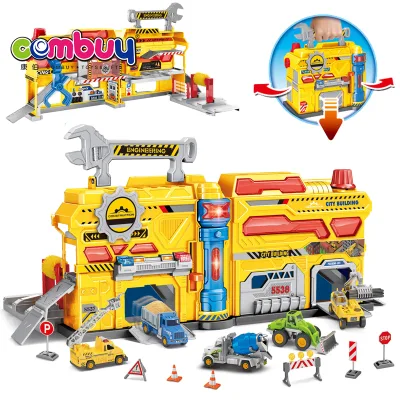
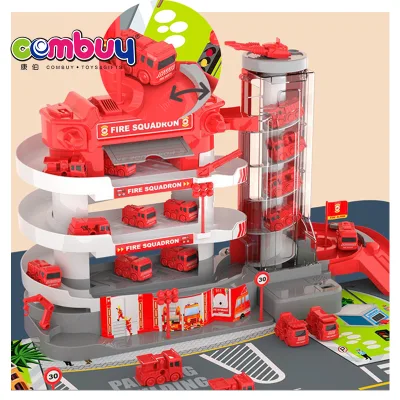
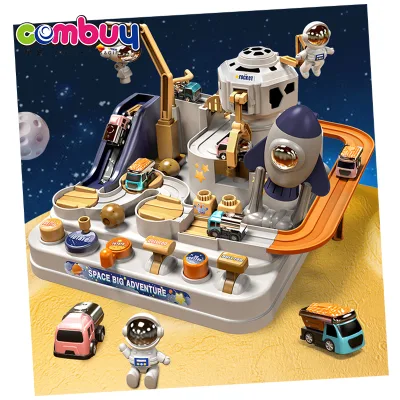
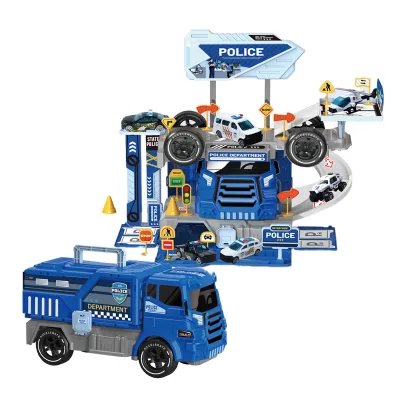
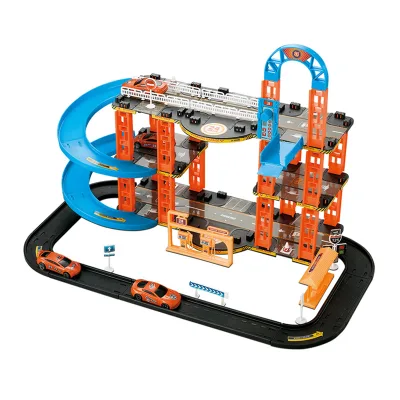
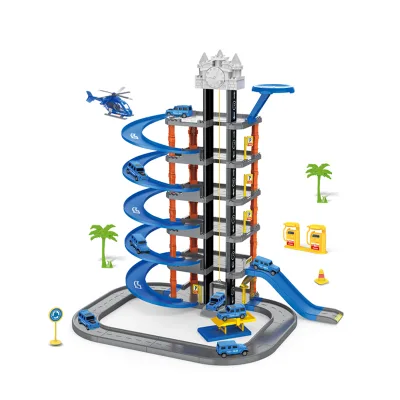


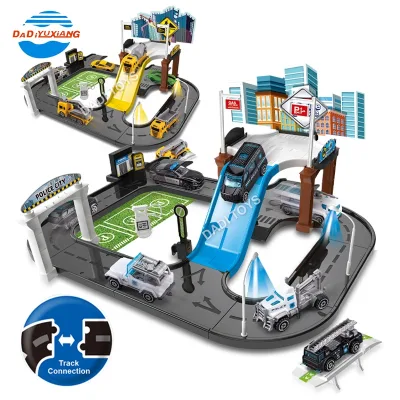
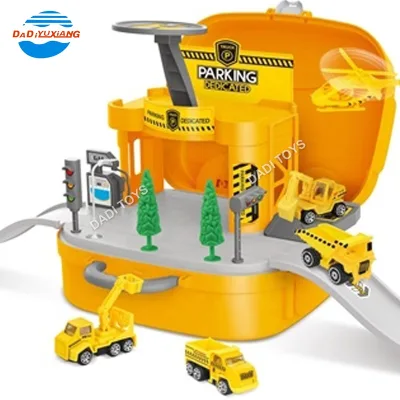
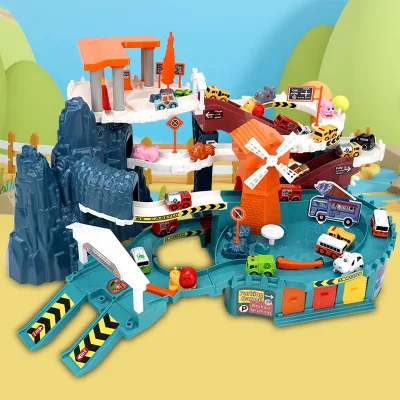
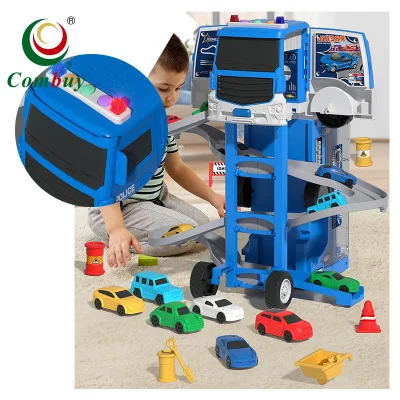
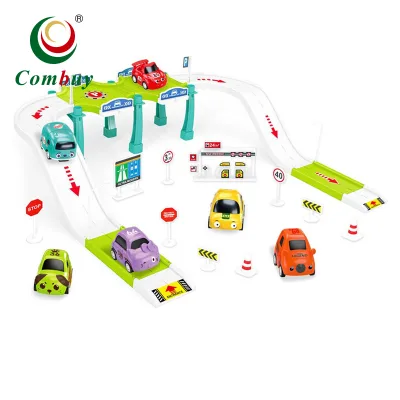
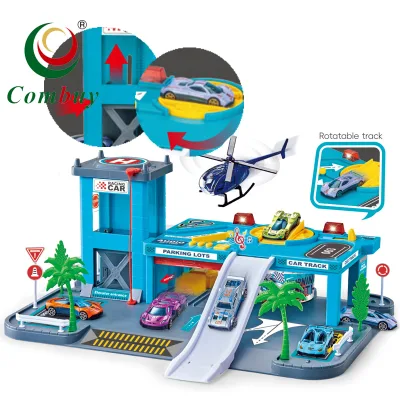
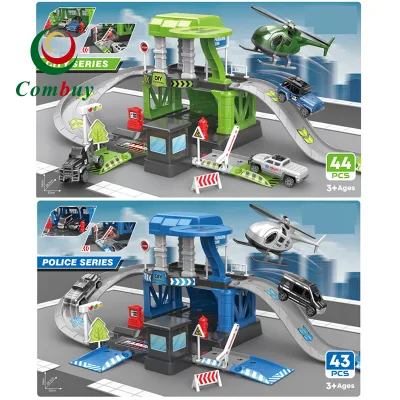
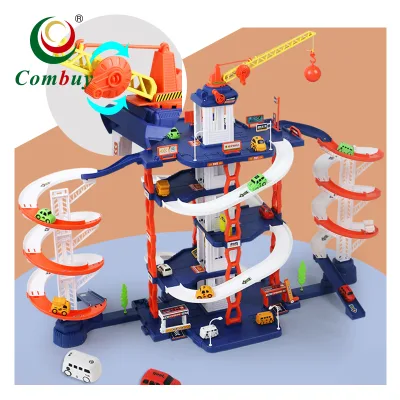
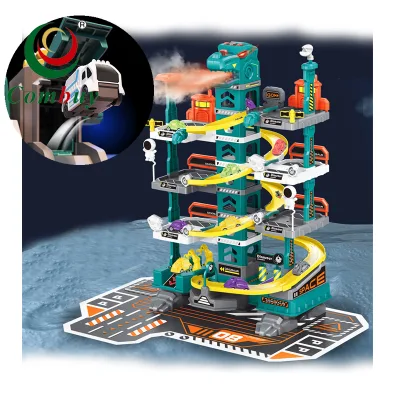


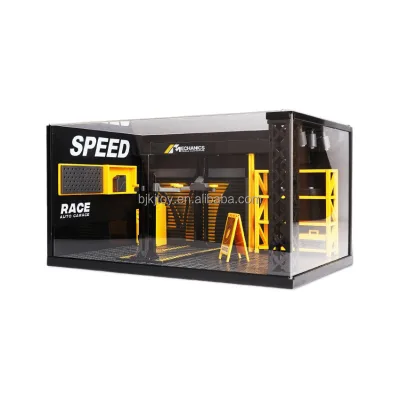


Comprehensive Sourcing Guide
Parking Lot Toy Sourcing Guide
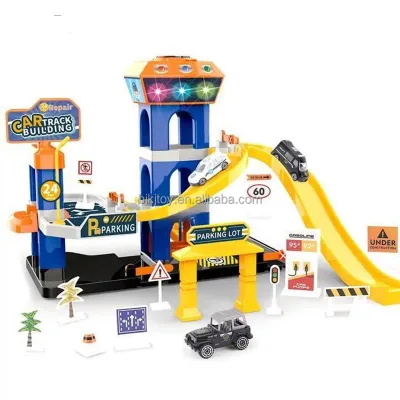
Sourcing parking lot toys requires a disciplined approach to verifying product functionality, safety compliance, and commercial viability. These items are typically slot-car style games that combine track building, vehicle operation, and interactive features like lighting or music. Buyers must distinguish between simple plastic track sets and more complex electronic units that require batteries or power sources. The primary goal is to ensure the product meets the specific age group requirements of your target market while maintaining a consistent supply chain.
Understanding the observed listing signals is critical for initial supplier screening. Listings often vary significantly in packaging details, such as carry cases versus standard cartons, and in the inclusion of accessories like batteries. Some products are sold as single items, while others are bundled in multiples of twelve. This variance impacts logistics planning and inventory management. Buyers should prioritize suppliers who provide clear, consistent data on product dimensions, weight, and contents to avoid discrepancies during the ordering process.
Product Scope and Observed Listing Signals
The product scope for parking lot toys generally includes track systems, vehicles, and interactive components. Observed listings indicate a range of materials, primarily plastic, with some variations in alloy components for the vehicles. The age range typically spans from toddlers to older children, with specific listings targeting ages two to four, five to seven, and eight to thirteen. This broad demographic appeal requires careful attention to safety features and complexity levels. Buyers must ensure that the product design aligns with the intended user group to prevent safety hazards or user frustration.
Listing signals also reveal differences in packaging and shipping configurations. Some products are packed in carry cases, which adds value for retail display but increases shipping volume. Others are packed in standard cartons with specific quantities per carton, such as eight pieces. The gross weight per batch can vary, with observed values around fifteen to nineteen kilograms. These details directly affect freight costs and warehouse storage requirements. Buyers should request detailed packing lists and dimensional data to accurately calculate landed costs and optimize their supply chain logistics.
Technical Specifications to Verify
Technical specifications must be rigorously verified to ensure product performance and durability. Key attributes include the power source, such as alkaline AAA batteries or external voltage inputs, and the specific voltage requirements. Some models operate on standard household voltage, while others use low-voltage batteries. Buyers should confirm whether batteries are included or sold separately, as this impacts the final consumer price and regulatory compliance. Additionally, the material composition of the track and vehicles should be checked for durability and safety, ensuring they can withstand repeated use without breaking or degrading.
Functional specifications also play a crucial role in product acceptance. Features like lighting, music, and interactive sensors must be tested for reliability and consistency. The model number and brand name should be clearly documented to facilitate traceability and quality control. Buyers should request sample units to test the track assembly, vehicle movement, and electronic functions under normal operating conditions. This hands-on verification helps identify potential defects or design flaws before committing to large-scale orders, ensuring that the product meets the expected performance standards.
Compliance and Safety Documentation
Compliance with safety standards is non-negotiable for children's toys. Buyers must request documentation proving that the product meets relevant international safety regulations, such as EN71, which is commonly cited in listings. This certification ensures that the toy is free from hazardous substances and meets mechanical and physical safety requirements. Additionally, buyers should verify that the product complies with electrical safety standards if it includes electronic components. Failure to provide adequate compliance documentation can result in product recalls, legal liabilities, and damage to brand reputation.
Documentation should also include material safety data sheets and test reports from accredited laboratories. These reports should detail the results of flammability, toxicity, and durability tests. Buyers should ensure that the testing was conducted on the specific product model and version being purchased. Regular updates to compliance documentation are necessary, especially if the product design or materials change. Maintaining a comprehensive compliance file for each product variant helps streamline customs clearance and regulatory audits, reducing the risk of shipment delays or rejections.
Cost Drivers and Commercial Terms
Cost drivers for parking lot toys include raw material costs, manufacturing complexity, and packaging requirements. Plastic and alloy materials have different price points, and the inclusion of electronic components like lights and music modules adds to the production cost. Packaging, such as carry cases or custom boxes, also influences the final price. Buyers should request detailed cost breakdowns to understand the impact of each component on the total price. Negotiating terms based on volume and long-term commitments can help reduce unit costs and improve profitability.
Commercial terms, including minimum order quantities (MOQ) and payment terms, must be clearly defined. Observed MOQs range from three to two hundred eighty-eight pieces, with some suppliers requiring orders in multiples of twelve. Payment terms, such as advance payments or letters of credit, should be negotiated to balance risk and cash flow. Buyers should also consider the impact of shipping costs, which can vary based on the product's weight and volume. Understanding these commercial terms helps in accurate budgeting and financial planning, ensuring that the procurement process is sustainable and profitable.
Supplier Qualification and Quality Control
Supplier qualification involves assessing the manufacturer's production capabilities, quality management systems, and track record. Buyers should verify that the supplier has the necessary equipment and expertise to produce the specific parking lot toy model. This includes checking for certifications in quality management, such as ISO standards, and reviewing past performance metrics. A reliable supplier should provide transparent communication, timely updates, and responsive customer service. Building a strong relationship with the supplier ensures consistent quality and timely delivery.
Quality control measures should be implemented at various stages of production. Incoming material inspections, in-process checks, and final product audits are essential to maintain high standards. Buyers should define acceptance criteria and sampling plans to ensure that only conforming products are shipped. Third-party inspection services can provide an additional layer of assurance, especially for new suppliers or complex products. Regular audits and feedback loops help identify and address quality issues early, reducing the risk of defects and returns.
Long-Term Procurement Checks
Long-term procurement checks focus on sustainability, scalability, and risk management. Buyers should evaluate the supplier's ability to scale production to meet growing demand without compromising quality. This includes assessing their capacity for raw material sourcing, production scheduling, and logistics coordination. Diversifying the supplier base can mitigate risks associated with single-source dependencies, such as supply disruptions or price fluctuations. Regular performance reviews and contract renewals help maintain accountability and drive continuous improvement.
Sustainability considerations are increasingly important in procurement decisions. Buyers should inquire about the supplier's environmental practices, such as waste management, energy efficiency, and use of recyclable materials. Products with eco-friendly packaging or materials may appeal to environmentally conscious consumers and align with corporate sustainability goals. Additionally, monitoring market trends and technological advancements can help identify opportunities for product innovation and differentiation. Staying informed about industry developments ensures that the procurement strategy remains competitive and aligned with market demands.
FAQs
What is the minimum order quantity for parking lot toy sets?
The minimum order quantity is 40 pieces per model. Some bulk listings require a minimum of 5 cartons. Buyers should verify the specific MOQ for their chosen model number, as requirements vary between standard and batch packaging options.
Which certifications are available for these parking lot toy products?
EN71 certification is explicitly listed for specific models. CE and FSC are noted as background attributes but require verification. Buyers should request current test reports to ensure compliance with safety standards for their target market before placing orders.
Can buyers customize the logo on these parking lot toys?
Yes, customized logos are accepted for these products. OEM and ODM services are available for bulk orders. Buyers should contact suppliers directly to discuss branding requirements, artwork specifications, and any additional costs associated with custom logo application.
What is the typical supply capacity for parking lot toy manufacturers?
The typical supply ability is 10,000 pieces per week. This capacity supports regular restocking for retailers. Buyers with large volume requirements should confirm production schedules with suppliers to ensure timely delivery and avoid potential delays during peak seasons.
Where are these parking lot toys manufactured and shipped from?
These toys are manufactured in Guangdong, China. The primary ports of dispatch are Shantou and Shenzhen. Buyers should factor in shipping logistics and transit times from these specific locations when planning their inventory and delivery schedules.
What battery requirements do these parking lot toy models have?
Battery requirements vary by model, with some needing 4xAA batteries and others requiring Alkaline AAA batteries. Batteries are typically not included in the package. Buyers should check the specific model specifications to ensure they provide the correct power source.